


We disbelieve events which occurred before our time, and we take no pleasure in events which we disbelieve. Recent events, on the other hand, are still as it were before our eyes and so we take no pleasure in hearing of them.
intro
The element which is forcibly restrained in our own misfortunes, starved of tears and the satisfaction of lamentation, though it naturally desires this, is the very element which is satisfied and given pleasure by the poets.
13
A story should concern an action that is single and entire, with its several incidents so structured that the displacement or removal of any one of them would disturb and dislocate the whole.
8:30
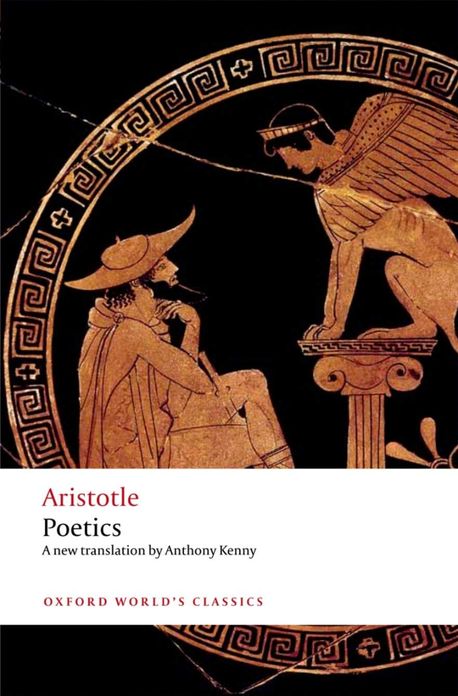
Tragedy is an imitation not just a complete action, but of events that evoke pity and fear. These effects occur above above all when things come about unexpectedly but at the same time consequentially.
9:145a
the person in between: a man not outstanding in virtue or justice, brought down through vice or depravity, who falls into adversity not through vice or depravity but because he errs in some way.
13:10
So basically in a tragedy, the antagonist should be neither too bad nor too good, and their downfall comes from the touch of unfortune or fate that happened to erk one critical part of them. Like Oedipus, Sisyphus and Hamlet etc
Aristotle promises a further explanatory on comedy but we don't have that book now.
So interesting that this presumed second book of poetics is featured in Ill noma della rosa!!! One of my fav books. Actually this was far easier than I thought it would be. I really should read more greek philosophers instead of being intimidated by them hahaha
And interesting, too. Kind of too obvious for a modern reader though (because the poetry we learn is literally based from the theories Aristotle made)
'독서' 카테고리의 다른 글
| <데블-악의 역사 1, 고대로부터의 원시 기독교까지 악의 인격화> 제프리 버튼 러셀 | 독후감 인상깊은 구절 (0) | 2025.11.13 |
|---|---|
| 토마스 만 <베네치아에서의 죽음> 단편모음집 독후감 인상깊은 구절 그리고 벨중족의 혈통에 대한 주저리 (0) | 2025.10.08 |
| 마거릿 애트우드 <The Testaments> 증언들 인상깊은 구절 독후감 (0) | 2025.09.13 |
| 마거릿 애트우드 <The Handmaid's Tale> 시녀이야기 인상깊은 구절 독후감 (0) | 2025.09.13 |
| 알베르 카뮈 <시지프 신화> 인상깊은 구절 독후감 (0) | 2025.09.13 |


